Tree Roots in Your Sewer Line: How They Get In and What Actually Clears Them
A root doesn't break into a pipe. It finds a place the pipe was already open.
September 9, 2026 · 3 min read
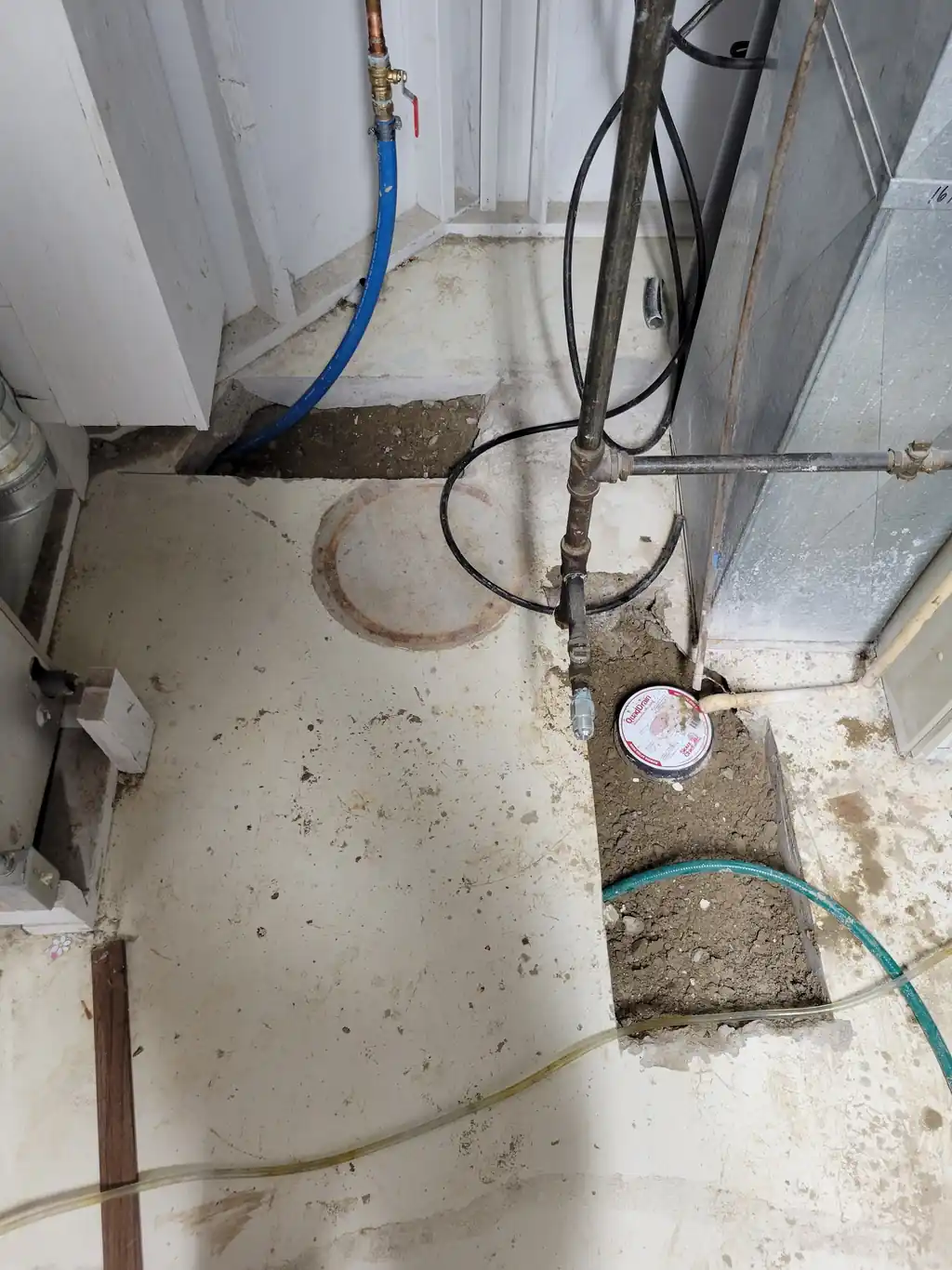
One of our customers called us about a sewer line that had gone from working fine to fully clogged, and the cause turned out to be tree roots. It's one of the more common calls we get, especially on older properties with mature trees near the yard, and it tends to catch people off guard because nothing about their day to day plumbing use changed. The tree didn't do anything different. The pipe did.
How a root actually gets inside a pipe
Roots don't punch through solid pipe wall looking for water, whatever the old story says. What actually happens is a root finds a joint, a small crack, or a spot where the pipe has shifted slightly, and it works its way in through that existing gap because there's moisture and nutrients on the other side. Clay pipe and older cast iron, both common on older Central Nebraska properties, have more joints and more age related settling than modern PVC, which is one reason they're more prone to root intrusion. Once a root gets a foothold inside the line, it doesn't stop growing just because it's inside a pipe. It keeps expanding, and it catches everything that flows past it, paper, grease, anything solid, until the line is choked down to almost nothing.
The frustrating part for a homeowner is that a root problem often looks exactly like an ordinary clog at first. Slow drains, a gurgling toilet, maybe a backup after a heavy rain when the ground is saturated and roots are pulling in even more moisture. It's easy to assume it's grease or paper buildup and try to clear it the same way you would any other clog. That approach works for a day or two, sometimes longer, and then the same symptoms come right back, because the roots are still in the pipe.
Why a cable alone is a short term fix
A cable machine can cut a channel through a root mass sitting in a line, and it'll usually restore flow the same day. What it doesn't do is remove the roots themselves or seal the entry point they used. Cut a channel through a root mass and the roots that are left keep growing back into that same opening, often faster than before, because you've just given them fresh space to fill. That's why a line with a genuine root problem tends to clog again within months of a cable only clearing, sometimes sooner.
What actually gets ahead of it
The first step is finding out where the roots are getting in and how bad it is, which is a camera inspection, not a guess. Running a camera down the line shows us the exact joint or crack the roots are using, how far the root mass extends, and whether the pipe itself has been damaged by the pressure of the roots growing inside it. That changes what the right fix actually is. Sometimes it's a thorough clearing and a root treatment. Sometimes the pipe itself has cracked or separated at the joint and needs to be repaired or replaced at that spot.
For the clearing itself, we use RootX root control on lines with a confirmed root problem. It's a foaming treatment that coats the full diameter of the pipe, kills the root growth inside the line, and leaves a barrier behind that makes it harder for new roots to take hold at the same entry point. It's a different approach than just cutting a path through and hoping the problem doesn't come back, because it's actually addressing the roots that are still in the pipe wall, not just the ones blocking the middle of the line.
Keeping it from coming back
Once a line has had a confirmed root problem, it's worth keeping an eye on, especially if there's a mature tree anywhere near the run. That doesn't mean removing landscaping. It means knowing which lines are at higher risk and checking them with a camera on a schedule rather than waiting for the next backup to tell you. We've been working sewer and drain lines across Central Nebraska since 1997, and root intrusion on older clay and cast iron runs is one of the calls we handle regularly, particularly on established properties around Kearney with trees that have had decades to grow. If your line has backed up more than once in the same spot, or you've got mature trees near a run that's never been camera inspected, that's worth looking into before the next clog decides the timing for you.
All American Sewer & Drain, LLC, (877) 221-1856
Call (877) 221-1856More articles
How to Know Your Septic Tank Needs Pumping Before It Backs Up
The three to five year rule is real, but it's not the only clock running on your tank.
Frozen and Burst Pipes on the Plains: What to Watch For and What to Do First
By the time you can see the damage, the water's usually been moving for a while.